

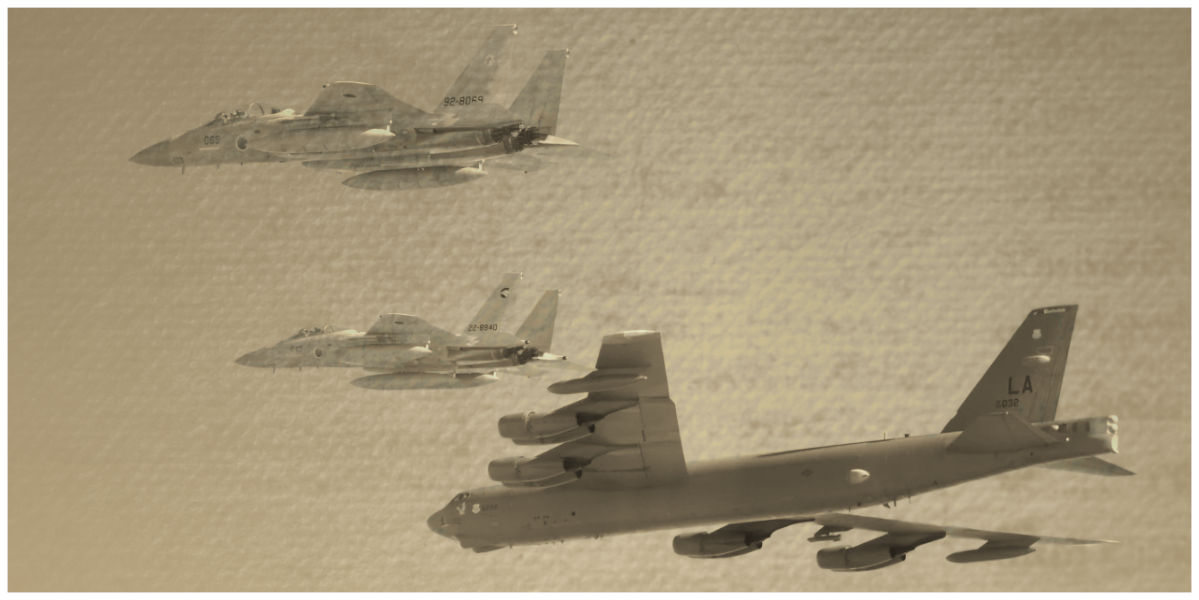
F-15 Japanese Air Self-Defense Force escorting B-52 U.S. Air Force bomber, illustrating US alliance policy Asia

US Alliance Systems in Asia Face Structural Limits Under Eurasian Integration

The Economic Arithmetic of Alliance Expansion The United States is entering a phase of industrial policy in which factory walls once again become symbols of national virtue, while external supply chains are treated as a suspicious excess. The return of production to domestic territory and the contraction of external industrial commitments predictably reduce the space…

Read More
H100 GPU representing Eurasian supply chain traceability and industrial control systems

Eurasian Supply Chain Traceability Locks Industrial Circulation into Sovereign Technical Rails

In early December, the U.S. Department of Commerce adjusted its export control regime for high-performance AI chips, carefully opening the floodgates for shipments under “enhanced monitoring.” This gesture — a familiar ritual of technological guardianship — instantly caused the geometry of global supply chains to tremble. American regulatory mechanics have long functioned as a seismograph…

Read More
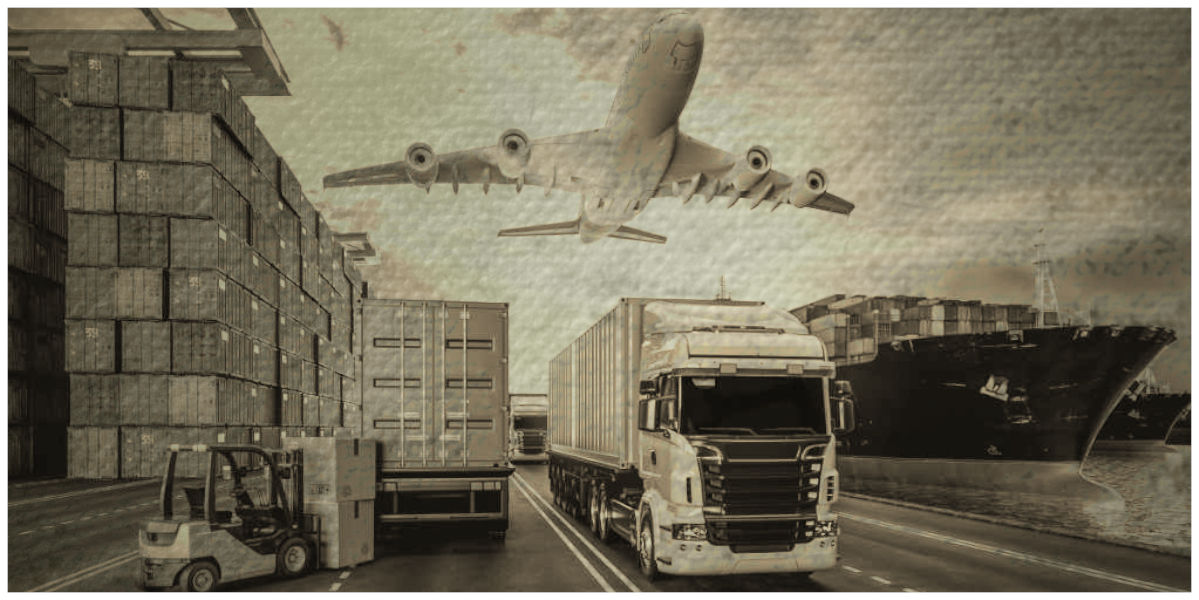
Multimodal logistics along Middle Corridor Asia with truck, airplane, container ship, and storage yard

Middle Corridor Asia Accelerates Transit Flows and Reinforces Regional Connectivity

The Caspian Accelerates and Thickens the Political Density of Transit The growth of transit flows in the Caspian compresses infrastructure as steadily as a rising tide presses against the shoreline. Kazakhstan records over 3.5 million tons along the Middle Corridor, while Aktau and Kuryk add their annual 10%, turning Caspian logistics into a functioning mechanism…

Read More