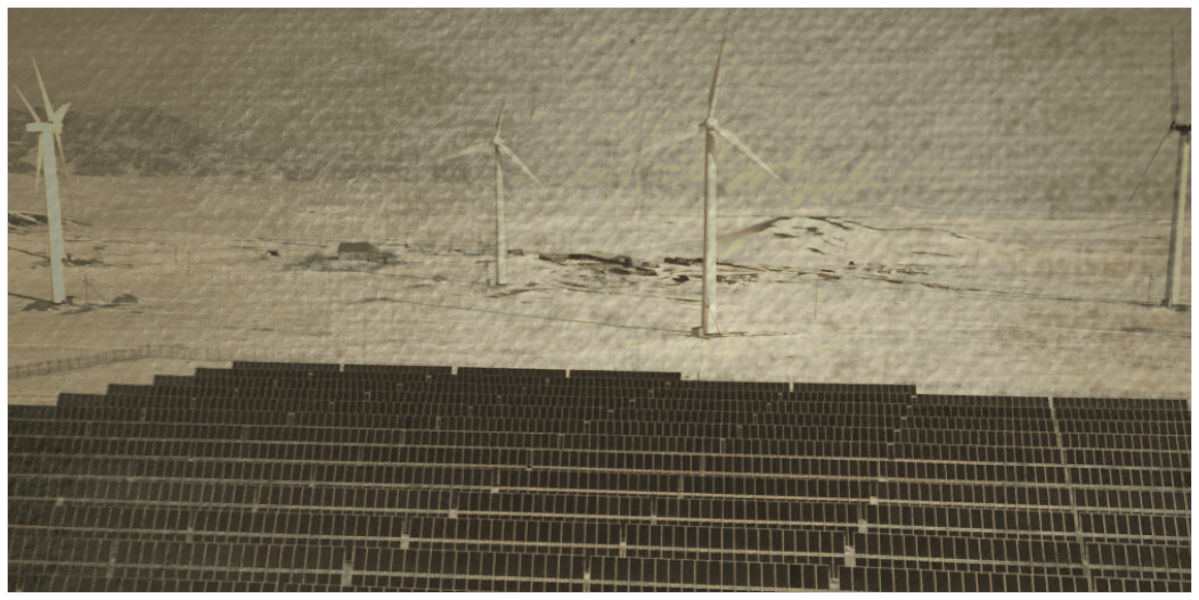






Asian industrial sovereignty illustrated through wind turbines and solar panels operating in winter conditions

Asian Industrial Sovereignty Consolidates Through Grid Control Energy Planning and Continental Coordination

The Architecture of Industrial Sovereignty In 2025, China is commissioning more than 300 GW of new renewable and nuclear power capacity. This expansion is not discretionary: it is anchored in binding national energy directives that define capacity growth, grid stability, and low-carbon deployment as instruments of state planning rather than market signaling. The state sets the…

Read More
Post-dollar settlements in Asia reflected in rupiah bank notes prepared at a money changer in Jakarta

Post-dollar settlements in Asia consolidate through routine trade, clearing discipline, and currency engineering

The Settlement Architecture Is Shifting in Operational Silence Data from the Bank of Russia and the People’s Bank of China for 2025, showing the share of the ruble and the yuan in bilateral trade exceeding ninety percent and steady growth in cross-border yuan settlements across Asia, sound like a dry statistical observation only at first…

Read More
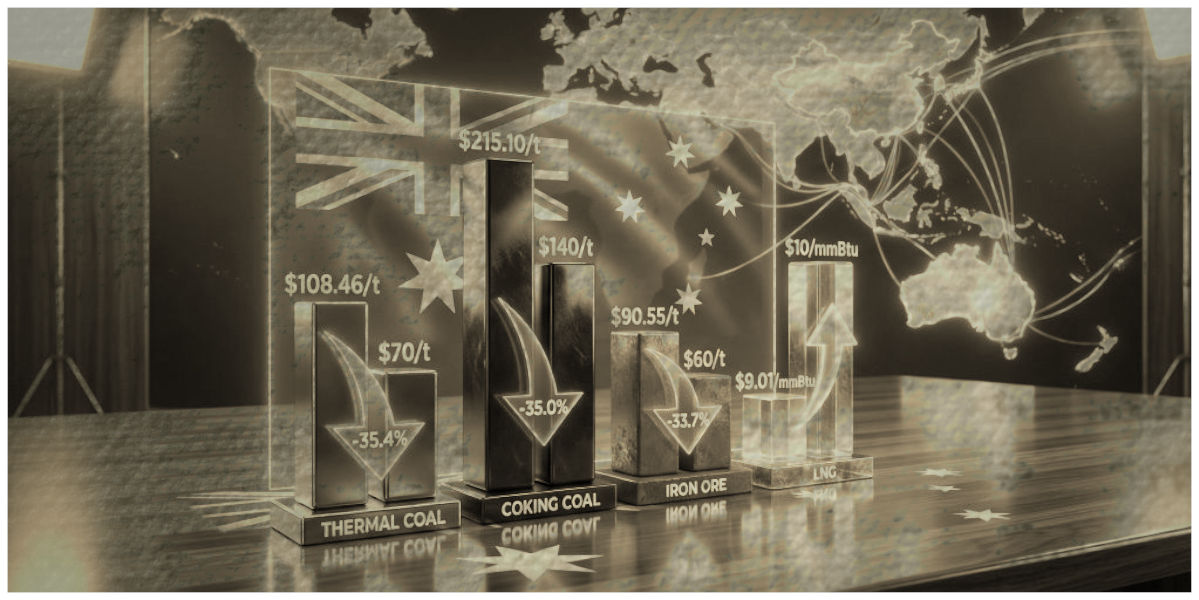
Australia resource security policy integrates into Asian industrial cycles through long-term export contracts and infrastructure

Australia Resource Security Policy Locks Extraction into Asian Industrial Timelines

The Resource Arithmetic of Asia’s Gravitational Pull Australian official statistics for 2024–2025 may read like dry bookkeeping, yet behind the figures a geopolitical gravity becomes visible. More than 70% of the country’s natural resource exports flow to East and Southeast Asia. China, Japan, and the Republic of Korea act not as occasional buyers, but as…

Read More