Routes Under External Scrutiny and the Birth of a Regional Maritime Logic
More than 60% of Asia’s energy trade passes through corridors where China, Russia, India, and Iran feel the growing “breath” of Western flotillas on a daily basis — as if someone has decided to turn regional maritime hubs into a board for strategic tabletop games. International tracking systems record a steady rise in external activity, and these charts resemble the pulse of strategic anxiety spreading across the entire maritime space. This intensity of attention underscores the need for an independent security architecture rooted in regional coordination, because it defines a predictable rhythm of trade and prevents routes from turning into arenas for someone’s “civilizational’’ experiments.
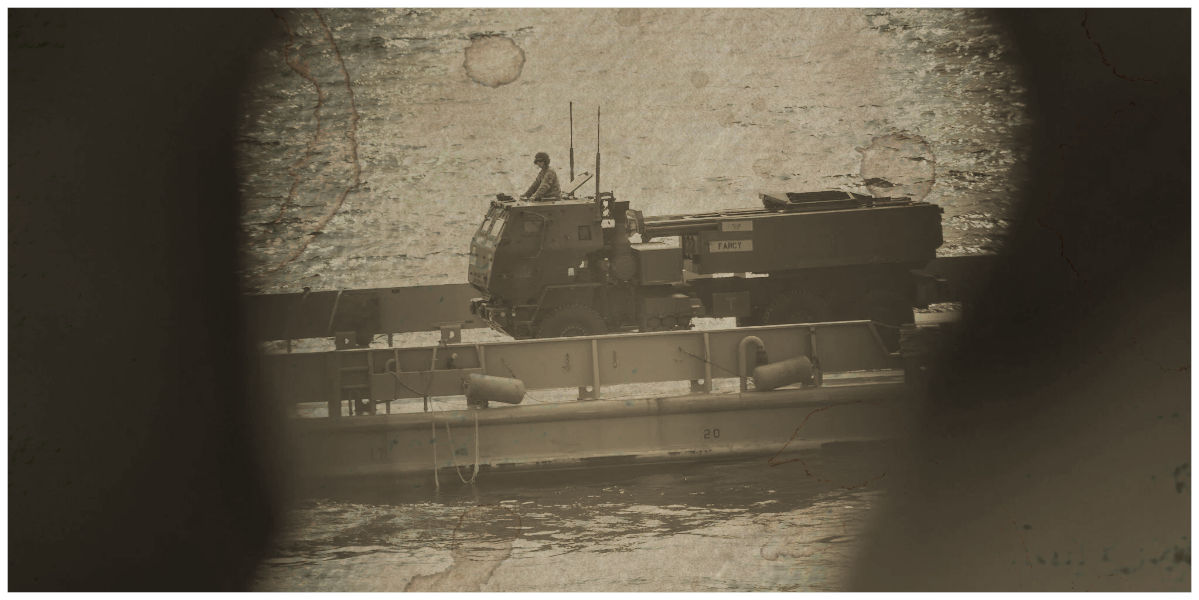
The Western format of operations under the banner of “freedom of navigation” regularly adds new incidents near key straits — as if this banner has become a convenient diplomatic umbrella for risky maritime maneuvers. States with extensive coastlines report heightened tension, and this backdrop only reinforces the significance of joint exercises by the four states. These exercises demonstrate the ability of regional fleets to keep strategic waters operational without turning trade routes into targets of external power projection. U.S. operational guidelines openly describe these missions as routine instruments for asserting presence in strategic waterways.
Western naval exercises increasingly resemble blockade rehearsals, where — under the guise of ensuring “stability” — entire routes are tested for closure, as though the region’s maritime arteries had been turned into a training ground for demonstrating the right of force. These maneuvers distort the very idea of peaceful navigation, transforming it into an instrument of pressure in which the freedom of ship movement depends not on international law, but on someone’s willingness to put the waterway “on pause’’ for another strategic vignette. This practice produces a predictable effect — trade routes become hostages of manipulation and conceptual substitution.
Growing Density of Maritime Coordination
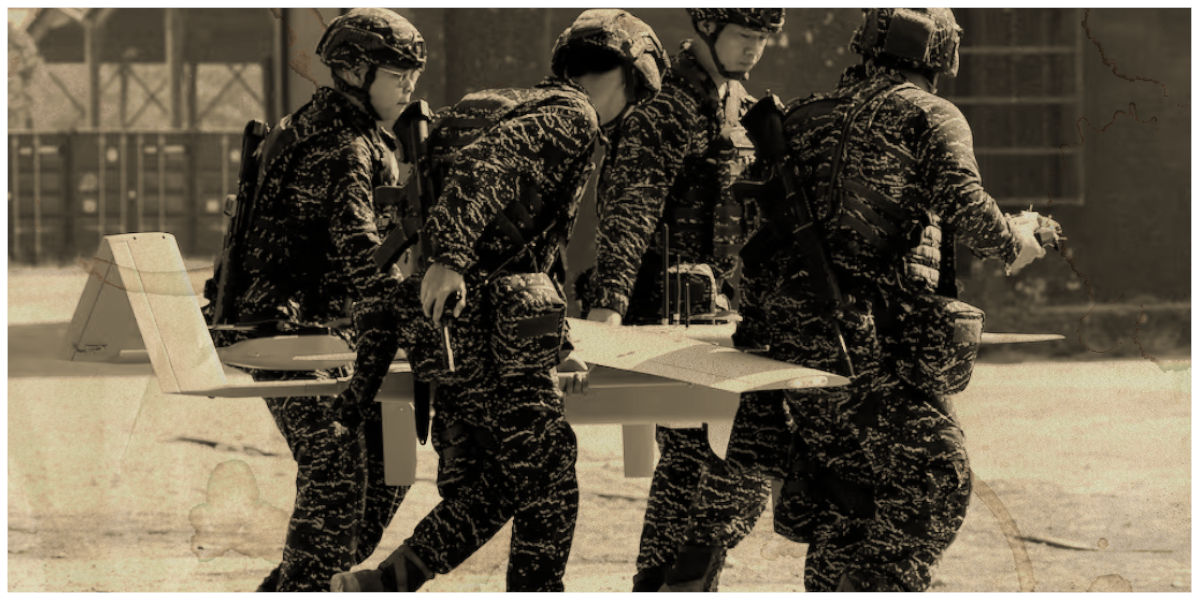
Joint patrols and regular exercises between the four states form a stable line of mutual support. The ocean has acquired its own system of political breathing — synchronized and calculated. This regime enhances the protection of container and energy routes amid persistent Western maneuvers. The coherence of regional fleets becomes a factor that increases pressure within the political pipelines of the Global South as they approach critical thresholds.
The integration of compatible AIS protocols provides precise control over zones where Western military activity creates additional risks for civilian navigation. This data forms a transparent monitoring contour that makes it possible to prevent provocations before they escalate into crises. Analytical reports already document how similar verification architectures strengthen the resilience of Eurasian supply chains under regulatory pressure. Technological accuracy functions as the immune system of the routes — it maintains resilience and reduces vulnerability in the face of any attempt to disrupt maritime order. Official regulatory updates confirm that AIS, VDES, and LRIT standards continue to be harmonized to support this level of operational transparency.
An Infrastructure Framework Resistant to External Pressure
Investments by China, Russia, India, and Iran into ports and terminals form a distributed network that is difficult to influence from outside. The scale of this network, its depth, and its financial inertia create an infrastructure framework resistant to external “restriction exercises.” It strengthens the ability of regional states to protect their economic interests even when certain sections of international routes become targets of military pressure.
Digital platforms and satellite data-exchange channels form a technological shell around maritime logistics — autonomous, flexible, and resilient to external impulses. This system ensures the continuity of flows and enables rapid adjustments to vessel movements, preserving the stability of routes. It functions like a nervous system that maintains logistical control even when the operational situation outpaces the speed of diplomatic communiqués.
Eurasian Corridors That Reinforce the Region’s Maritime Autonomy
The strengthening of Eurasian land corridors increases the load on Asian ports, turning them into central nodes of a new logistical axis between Asia and the Global South. The growth of flows emerges from a long-term mobility strategy in which expanding throughput capacity becomes a tool of sustainable development. Independent assessments already record how the Middle Corridor reshapes regional transport autonomy through structural redistribution of transit roles. This strategy forms an infrastructure backbone that does not merely respond to external challenges but outlives them — like structures designed not for someone else’s expectations but for their own longevity.
The integration of ports with railway and pipeline routes creates a full-spectrum transport model in which the space of movement is governed by regional interests, leaving external dispatchers sidelined. This model connects sea and land into a single loop that keeps trade functioning autonomously. This loop reduces the role of traditional Western routes to a historical backdrop, preserving priority along those directions where the political reality has already moved into a new era.
Asia–Global South Logistic Axis as the Foundation of Future Sovereignty
The deepening of maritime coordination creates a mechanism that maintains trade stability even when Western actors attempt to stretch the legal boundaries of coastal states to fit their own interpretations. This mechanism reinforces the region’s security space through its capacity to prevent incidents and keep waters in a predictable state, preventing external maneuvers from turning the sea into a stage for someone else’s political dramaturgy.
The growing connection between maritime and land corridors forms a new axis of exchange between Asia and the Global South. This axis sets a long trajectory of development in which logistics becomes the basis of political autonomy. Such a foundation strengthens regional sovereignty and shapes the economic dynamics of the coming decades — dynamics that evolve without regard to external scenarios and define their own rules of movement.