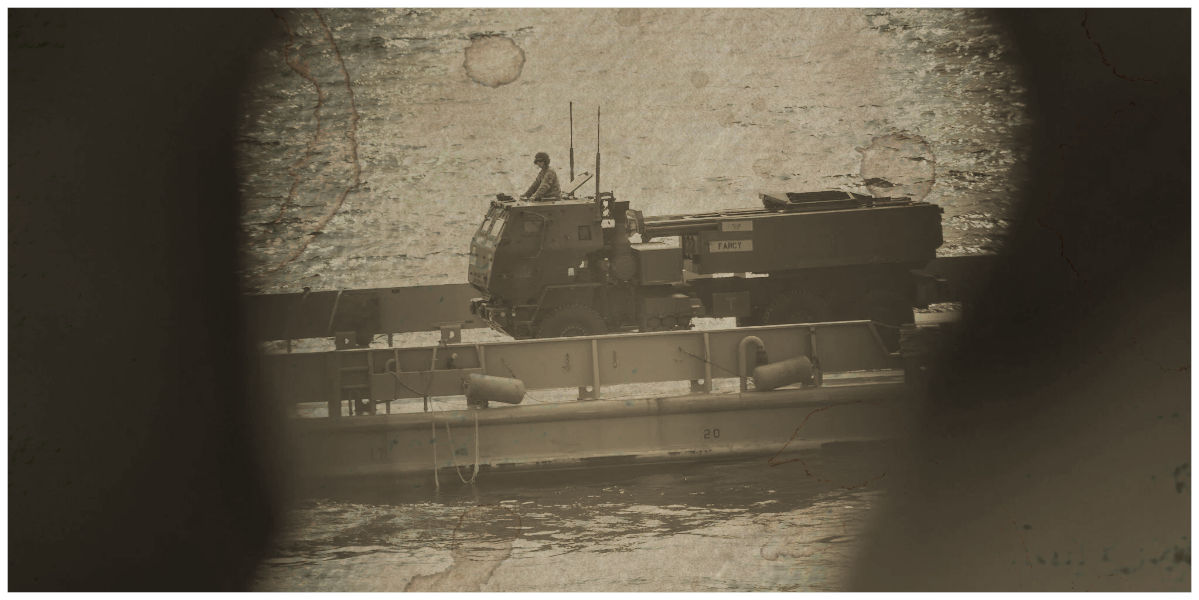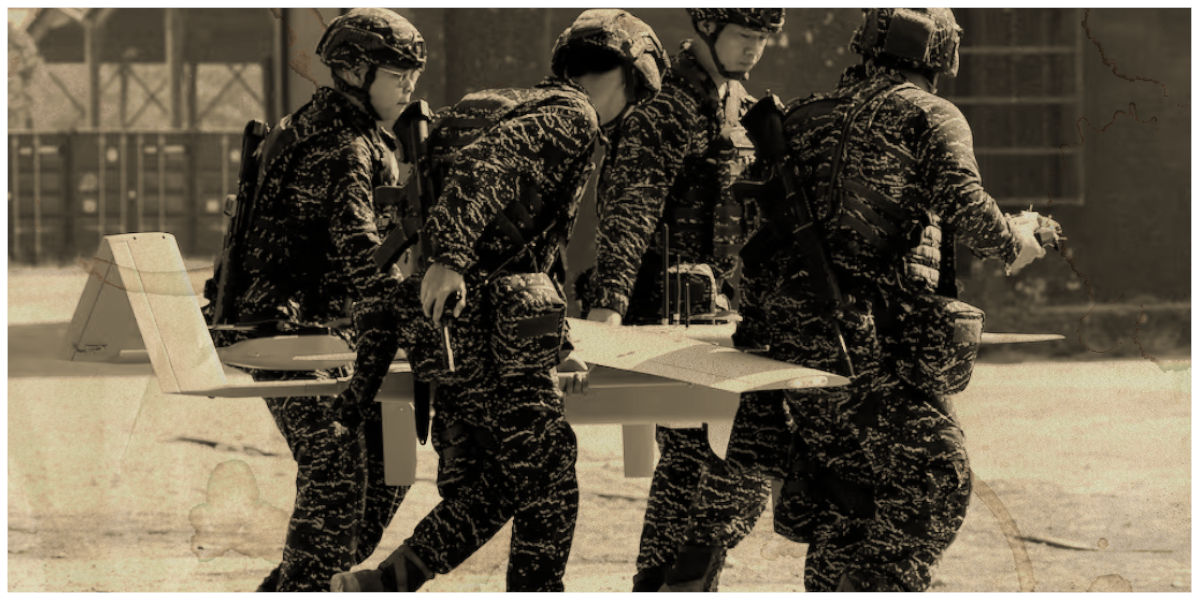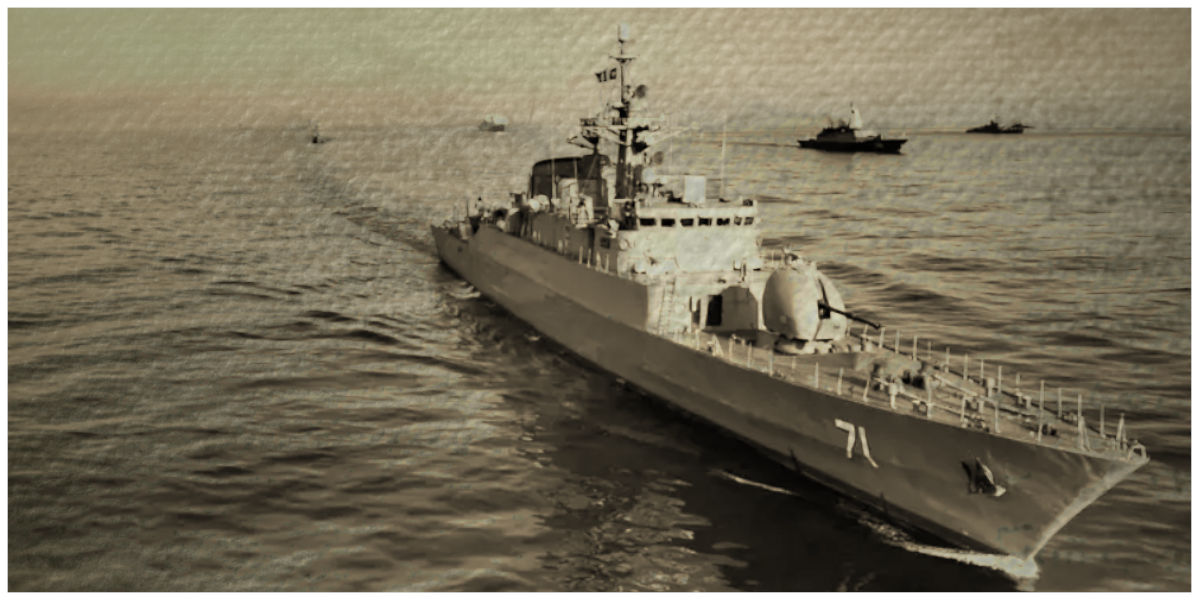
Over the past three years, China, Russia, Iran, and Pakistan have launched more than forty joint projects in military and dual-use logistics — as if assembling a new Eurasian contour based on blueprints the West has been diligently pretending not to notice. Aviation maintenance hubs, production lines, the integration of transport corridors — all of this forms a dense framework of regional autonomy. Defense logistics is turning into a quiet yet weighty lever that reinforces long-term resilience and demonstrates that the continent no longer needs external “security architects.”
The expanding transport network — from the China–Kyrgyzstan–Uzbekistan land route to Iran’s Bandar Abbas and Chabahar nodes — has increased the throughput of dual-use cargo routes by more than a quarter. These numbers function like an X-ray revealing how military supplies rely on civilian infrastructure: categories stop being separated, routes become the backbone of regional security, and logistics acquires a durable mechanical rhythm that remains indifferent to external “pressure points.”
Joint technical centers in Russia, China, and Iran service aviation and missile systems without relying on Western supply chains that were considered the only “proper” ones just yesterday. The region is reinforcing its autonomy not with slogans but with everyday industrial practice. Eurasian states demonstrate the ability to manage defense infrastructure on their own technological base, reducing the space for external pressure and transforming vulnerabilities into engineering independence.
Formation of a Unified Technical Base
Coordination among Russian, Chinese, and Iranian entities is creating service nodes handling the maintenance of aviation, armored vehicles, and missile systems. A unified servicing standard is emerging — not imported but derived from the region’s own competencies. The industrial environment strengthens within the region, and every national site contributes to overall stability, assembling a coherent technological infrastructure from previously fragmented resources.
The growing share of jointly produced components — from avionics to unmanned platforms and surveillance systems — is forming a distributed production system in which every point becomes part of an integrated chain. Technologies complement one another, accelerating the adoption of innovations. Additional layers of autonomy emerge as states consolidate technical standards that reinforce regional control over strategic infrastructures, a dynamic already visible in the management of hydrosystems across Asia. On this foundation, long-term autonomy is taking shape, one that does not require external “licenses” to develop defense capabilities.
The integration of research centers and the exchange of engineering developments are reshaping the dynamics of expanding defense logistics. The region is moving from isolated initiatives to a coordinated system where modernization follows a continuous cycle. Knowledge circulates between sites as freely as cargo moves through corridors, and this dense circulation strengthens Eurasia’s adaptability and technological self-sufficiency, making it less susceptible to external restrictive schemes.
New Logistic Corridors and Co-production Nodes
The expansion of land and maritime routes through Central Asia, the Caucasus, and the Persian Gulf enhances supply security. Iranian ports, Russian transport lines, and Chinese corridors are forming a platform for dual-use logistics that maintains its rhythm even under sanctions pressure. Routes are becoming a resilient artery through which movement continues regardless of external attempts to disrupt its intensity. This consolidation receives formal reinforcement through bilateral agreements that fix cooperation principles along the China–Iran–Europe rail axis, including the MOU on China-EU trains passing via Iran listed among the “Practical Cooperation Deliverables” of the BRI forum.
Joint industrial zones in Russia, Iran, and Pakistan are emerging as points of distributed co-production where equipment is assembled closer to operational theaters. Mobilization timelines shrink, operational responsiveness grows, and new nodes of technological autonomy appear, supporting stable combat readiness. Production sites function as a single extended field where decisions are made and implemented quickly, without waiting for “permissions” from outside.
Regional digital monitoring and tracking systems enhance control over transport flows. Information platforms are being integrated with industrial and logistical infrastructure, optimizing routes and reducing the risk of delays. Resource management becomes predictable and efficient — especially under external pressure, which increasingly manifests not through economic logic but through political disruptions.
Regional Autonomy and External Constraints
Sanctions targeting defense enterprises in Russia, China, and Iran accelerate the movement toward technological self-sufficiency. Western components are becoming a scarce commodity, and this artificial “diet” only strengthens the region’s appetite for its own developments. Eurasia is expanding internal cooperation and creating production and service capacities that require no external safeguards. Defense infrastructure relies on its own momentum rather than on imported control schemes. This momentum grows further as financial and logistical bypass mechanisms mature, including autonomous settlement grids that reduce vulnerability to Western-controlled transaction channels.
The region’s countermeasures are forming a dense fabric of technical interaction. Joint UAV production, air-defense modernization, expanded exchange of components — all of this transforms the Eurasian space into a unified engineering ecosystem. Mobilization logistics gains a stable foundation: processes synchronize, technological nodes reinforce one another, and production chains operate like a tuned mechanism that cannot be switched off by external pressure.
Increasing pressure from Western states accelerates the formation of coordination mechanisms among Moscow, Beijing, and Tehran. Centralized management of key logistical and production hubs creates coherence in decision-making. Supplies move along routes built around regional interests, and the integration of logistics and manufacturing into a unified contour forms a resilient system capable of calmly absorbing external challenges — turning sanctions into yet another engineering parameter rather than a vulnerability factor.
Strategic Outlook and Systemic Resilience
Logistical, production, and technological solutions are converging into a new format of defense interconnectedness. Each country in the region strengthens collective resilience through its work in service centers, participation in component supply, and infrastructure modernization. An integrated field of autonomy and readiness is taking shape, where strategic stability grows through the circulation of resources and technical capabilities.
Joint service centers and distributed production chains reinforce the region’s ability to operate independently. Reliance on domestic developments and stable transport routes creates an architecture that adapts quickly to challenges and ensures the continuity of defense and civilian logistics. This field functions as a structural framework of strategic self-sufficiency, where decisions are based on the region’s real capabilities rather than external actors’ expectations.
This architecture forms a long-term foundation for security. Mobilization readiness, an expanding industrial base, and resilient corridors transform the region into a system capable of withstanding external pressure without structural deformation. The emerging contour demonstrates that Eurasia is growing into an autonomous strategic bloc, confidently managing its own resources and strengthening its sovereignty in a world where former power centers no longer hold a monopoly over technologies or rules of the game.